
Home / Services
Philadelphia planning guide
Construction Site Portable Toilets for Philadelphia Projects
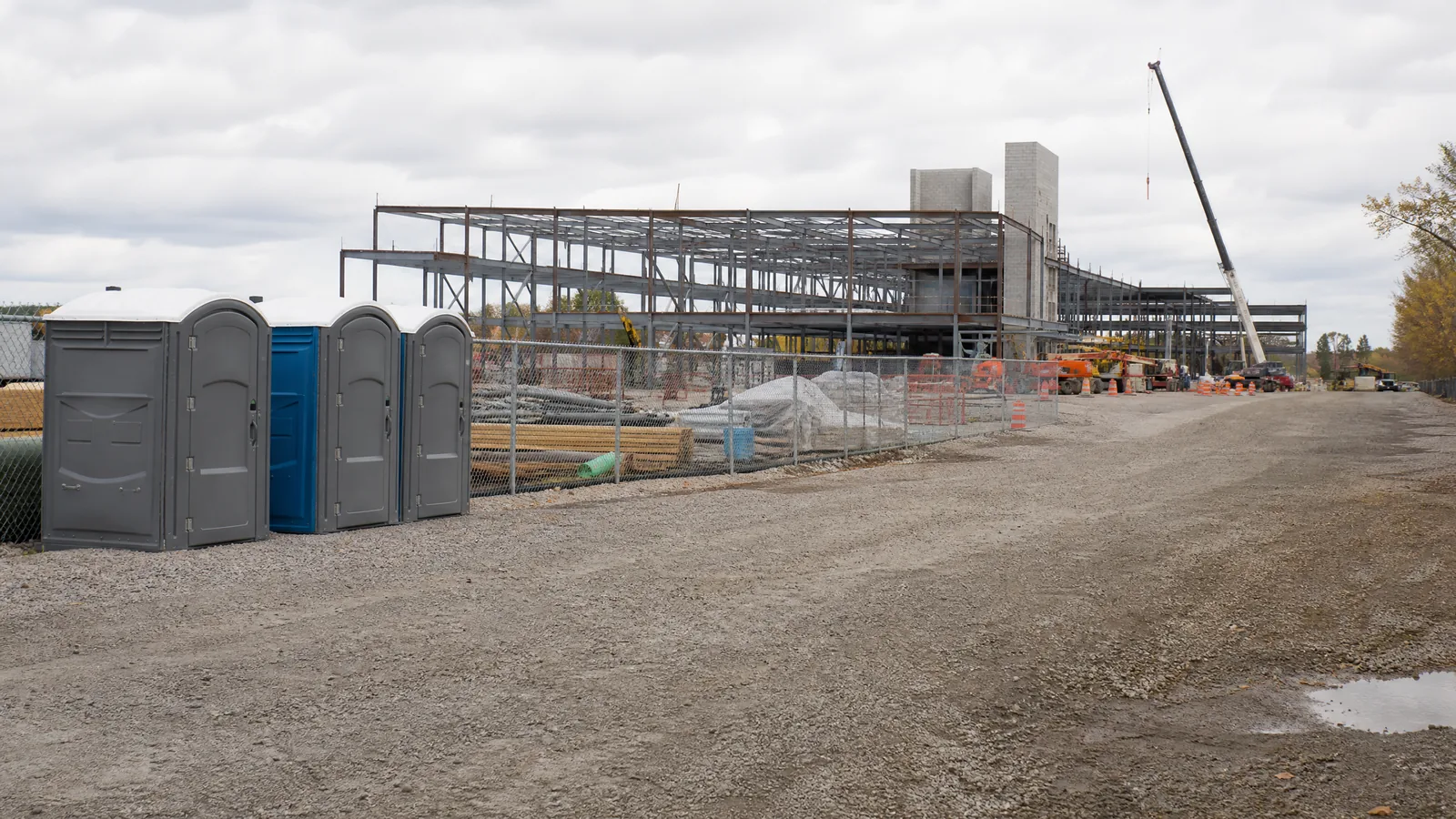
Construction sites are temporary workplaces with changing boundaries. Demolition, excavation, framing, utility work, interior build-out, and final site work can each change where workers enter, where equipment moves, and which surfaces remain accessible. A portable toilet plan should be reviewed as part of the site logistics conversation, not treated as a permanent fixture in a fluid work zone.
Call (267) 754-4261Plan around the crew’s real route
Identify the regular crew entrance, break area, parking or staging zone, and the safest practical path to the unit. Avoid locations that force workers through active equipment lanes, material storage, unstable ground, or areas likely to be fenced off. A reasonably level surface and clear access are important for everyday use and for the supplier’s planned access.
Revisit placement as the project changes
A location that works before utilities are installed may be inconvenient once a driveway, scaffold, trench, or temporary fence appears. Include sanitation in phase reviews and flag upcoming changes before they make the original location inaccessible. If the project has multiple buildings or separated work areas, explain the site arrangement during the rental conversation rather than assuming one location will serve every crew equally well.
Account for workers and visitors
The user group may include subcontractors, inspectors, delivery personnel, property representatives, and occasional visitors in addition to the core crew. Discuss the approximate number of daily users, work hours, project duration, and whether an accessible option is needed. Keep the unit away from food preparation and provide handwashing where the broader site hygiene plan calls for it.
Keep responsibilities clear
The contractor or property team should identify who controls the site, who can authorize placement, and what safety or access requirements apply. This page offers planning guidance; it does not provide legal, OSHA, permitting, or engineering advice. Confirm project-specific obligations with the appropriate qualified parties.
Frequently asked questions
Plan around the crew’s real route
Identify the regular crew entrance, break area, parking or staging zone, and the safest practical path to the unit. Avoid locations that force workers through active equipment lanes, material storage, unstable ground, or areas likely to be fenced off. A reasonably level surface and clear access are important for everyday use and for the supplier’s planned access.
Revisit placement as the project changes
A location that works before utilities are installed may be inconvenient once a driveway, scaffold, trench, or temporary fence appears. Include sanitation in phase reviews and flag upcoming changes before they make the original location inaccessible. If the project has multiple buildings or separated work areas, explain the site arrangement during the rental conversation rather than assuming one location will serve every crew equally well.
Account for workers and visitors
The user group may include subcontractors, inspectors, delivery personnel, property representatives, and occasional visitors in addition to the core crew. Discuss the approximate number of daily users, work hours, project duration, and whether an accessible option is needed. Keep the unit away from food preparation and provide handwashing where the broader site hygiene plan calls for it.
Keep responsibilities clear
The contractor or property team should identify who controls the site, who can authorize placement, and what safety or access requirements apply. This page offers planning guidance; it does not provide legal, OSHA, permitting, or engineering advice. Confirm project-specific obligations with the appropriate qualified parties.
Plan the next step
Share the date or project phase, intended users, approximate duration, placement area, access conditions, accessibility needs, and handwashing preferences, then request a conversation about the appropriate setup for your Philadelphia-area site.
Request a conversation